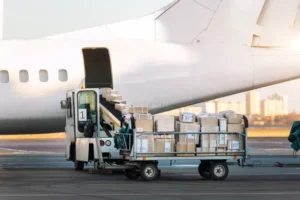
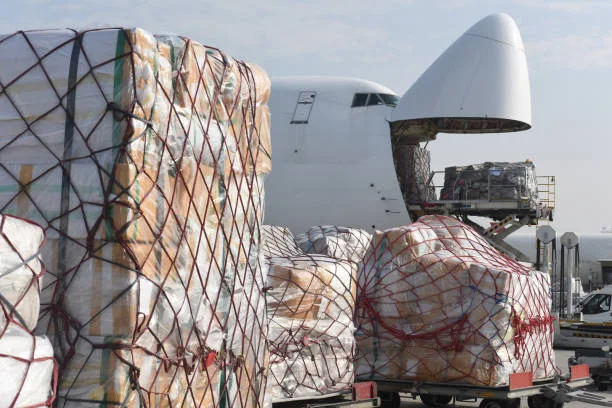
Packaging is one of the most critical factors in air shipment success. Proper packaging not only protects cargo from damage but also plays a major role in cost control, customs clearance, and overall shipment efficiency. Poor packaging can result in damaged goods, higher freight charges, or even shipment rejection by airlines.
At CARGO SERVICE, we follow international air cargo packaging standards to ensure every shipment is safe, compliant, and cost-effective. This guide explains best practices for packaging, safety measures, and cost optimization strategies for air shipment.
🔗 Explore our logistics services: https://cargoservicebd.com/services/
Why Proper Packaging Is Essential for Air Shipment
Air cargo is handled multiple times during transit—from supplier pickup to airport handling, aircraft loading, unloading, and final delivery. Each stage exposes cargo to movement, pressure, and environmental changes.
Key Objectives of Air Cargo Packaging
- Protect goods from damage
- Meet airline safety standards
- Reduce volumetric weight
- Simplify handling and inspection
- Ensure smooth customs clearance
Improper packaging increases the risk of damage and additional charges.
Export-Quality Packaging Standards
Airlines require cargo to meet specific packaging standards to ensure safety during flight and ground handling.
Use of Export-Quality Carton Boxes
Export-quality cartons are strong, durable, and designed to withstand pressure and stacking. At CARGO SERVICE, we repack goods using high-quality cartons suitable for air freight.
Benefits include:
- Improved cargo protection
- Compliance with airline regulations
- Reduced risk of box collapse
Internal Cushioning & Protection
Fragile or sensitive items require internal protection such as:
- Bubble wrap
- Foam padding
- Corrugated dividers
- Shock-absorbing materials
These materials prevent movement inside the carton and absorb impact during handling.
Proper Labeling for Air Cargo
Labeling is essential for identification, routing, and safety compliance.
Mandatory Label Information
Each box should clearly display:
- Supplier name and address
- Buyer details
- Cargo description
- Weight and volume
- Destination country
- Country partner contact details
Clear labeling minimizes handling errors and speeds up customs inspections.
Special Handling Labels
Certain cargo types require special labels, such as:
- Fragile
- This Side Up
- Handle with Care
- Dangerous Goods (if applicable)
Airlines may reject cargo without proper labeling.
Understanding Volumetric Weight in Air Shipment
Air freight charges are calculated based on chargeable weight, which is the higher of:
- Actual weight
- Volumetric (dimensional) weight
Volumetric Weight Formula
Length × Width × Height (cm) ÷ 6000
Excess packaging increases volumetric weight and shipping cost.
Cost Optimization Through Smart Packaging
Proper packaging can significantly reduce air freight expenses.
Reduce Empty Space
Avoid oversized cartons. Tight packaging minimizes volumetric weight and lowers freight charges.
Consolidate Shipments
Combining multiple small shipments into one consolidated air shipment reduces:
- Handling charges
- Airline fees
- Documentation costs
🔗 Warehouse support services: https://cargoservicebd.com/warehouse-support/
H2: Safety Considerations in Air Shipment
Safety is a top priority in air freight operations.
Airline Safety Requirements
Airlines follow strict safety rules, including:
- Weight limits
- Secure packaging
- Dangerous goods restrictions
Cargo that does not meet safety standards may be rejected or delayed.
Dangerous Goods Handling
Certain items such as batteries, chemicals, or flammable materials are classified as dangerous goods.
These require:
- Special packaging
- Dangerous Goods Declaration
- Compliance with IATA regulations
External reference: International Air Transport Association (IATA)
Packaging for Different Cargo Types
Different goods require different packaging approaches.
Garments & Textile Products
Garments should be:
- Folded properly
- Packed in moisture-resistant cartons
- Protected against crushing
Electronics & Accessories
Electronics require:
- Anti-static packaging
- Shock-absorbing materials
- Secure inner boxes
Documents & Samples
Documents should be:
- Packed in rigid folders
- Protected from moisture
- Clearly marked
Packaging & Customs Clearance
Proper packaging supports faster customs clearance.
Clear Visibility for Inspection
Well-organized cartons allow customs officers to inspect cargo quickly without opening multiple boxes.
Accurate Weight & Dimensions
Mismatch between declared and actual weight can cause delays or penalties.
🔗 Customs clearance support: https://cargoservicebd.com/custom-clearance/
Storage, Handling & Transport Charges
Packaging Cost
Packaging costs depend on:
- Carton quality
- Cargo size and weight
- Internal protection materials
CARGO SERVICE offers cost-effective packaging solutions without compromising safety.
Transport Charges from Supplier
We collect goods directly from suppliers and transport them to our warehouse or airport. Charges vary based on:
- Distance
- Cargo volume
- Handling requirements
Transparent pricing ensures no hidden costs.
Technology & Tracking in Air Shipment
Shipment Tracking
Once dispatched, clients can track shipments in real time, ensuring transparency and peace of mind.
🔗 Track your shipment: https://cargoservicebd.com/tracking/
Common Packaging Mistakes to Avoid
- Using weak cartons
- Over-packaging leading to high volumetric weight
- Poor labeling
- Ignoring airline safety guidelines
- Mixing incompatible goods
Avoiding these mistakes reduces delays and additional costs.
How CARGO SERVICE Adds Value
Our Packaging & Handling Advantages
- Export-quality repacking
- Professional labeling
- Cost-optimized packaging solutions
- Warehouse consolidation support
- Compliance with airline regulations
🔗 Contact our logistics experts: https://cargoservicebd.com/contact/
Best Practices for Cost-Efficient Air Shipment
- Plan shipments in advance
- Optimize packaging size
- Consolidate cargo
- Choose the right airline
- Work with experienced freight forwarders
Final Conclusion
Packaging, safety, and cost optimization are essential components of successful air shipment. Proper packaging protects cargo, reduces freight costs, and ensures compliance with airline and customs regulations.
With CARGO SERVICE, businesses benefit from professional packaging solutions, strict safety compliance, and cost-efficient air freight services. Our end-to-end logistics support ensures your cargo moves safely, quickly, and economically across international borders.
🔗 Start your air shipment today: https://cargoservicebd.com/services/